

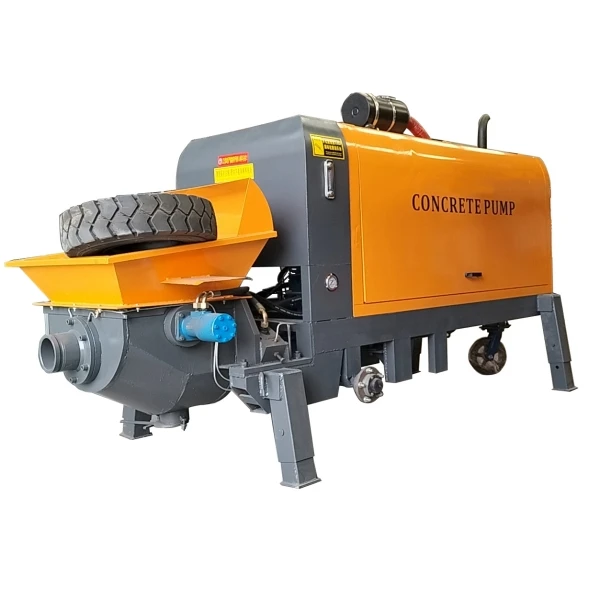
Connecting the pipeline to a portable concrete pump correctly is crucial for the efficient and safe operation of concrete pumping tasks. As a reliable portable concrete pump supplier, I understand the significance of this process and am here to share comprehensive guidance on how to achieve it properly.

Understanding the Basics
Before delving into the connection process, it's essential to have a clear understanding of the components involved. A portable concrete pump typically consists of the pump itself, which is responsible for generating the pressure to move the concrete, and a pipeline system that transports the concrete from the hopper to the desired location. The pipeline is usually made up of sections of steel or rubber pipes, along with various fittings such as elbows, reducers, and couplings.
Pre - connection Preparations
- Inspect the Pump and Pipeline
- Thoroughly examine the portable concrete pump for any signs of damage or wear. Check the hydraulic system, the pumping mechanism, and the hopper. Make sure all the components are in good working condition.
- Similarly, inspect the pipeline sections. Look for cracks, dents, or any other defects in the pipes and fittings. Ensure that the couplings are clean and undamaged, as they play a vital role in maintaining a secure connection.
- Choose the Right Pipeline
- Select the appropriate pipeline based on the requirements of the project. Consider factors such as the distance the concrete needs to be pumped, the volume of concrete to be delivered, and the type of concrete being used. For longer distances, larger - diameter pipes may be required to reduce friction and maintain the flow of concrete.
- If you need more information about different types of pumps, you can visit our Portable Concrete Pump page, where we offer a wide range of options to suit various project needs.
Connecting the Pipeline
- Lay Out the Pipeline
- Plan the route of the pipeline carefully. Avoid sharp bends and excessive slopes, as these can cause blockages and reduce the efficiency of the pumping process. Lay the pipeline on a stable surface to prevent it from shifting during operation.
- Start by connecting the hopper of the portable concrete pump to the first section of the pipeline. Use the appropriate coupling to secure the connection tightly. Make sure the connection is leak - free to prevent concrete from seeping out.
- Connect the Pipeline Sections
- As you add each section of the pipeline, ensure that the couplings are properly aligned. Clean the ends of the pipes and apply a suitable lubricant to the coupling seals to make the connection easier and more secure.
- Tighten the couplings using the correct tools. Over - tightening can damage the couplings, while under - tightening can lead to leaks. Follow the manufacturer's instructions for the recommended torque values.
- Install Fittings
- When installing elbows, reducers, and other fittings, pay close attention to their orientation. Elbows should be installed in a way that minimizes the resistance to the flow of concrete. Reducers should be used to gradually change the diameter of the pipeline to avoid sudden changes in pressure.
- Secure the fittings firmly to the pipeline sections using the appropriate couplings. Check for any signs of misalignment or looseness after installation.
Testing the Connection
- Pressure Test
- Once the pipeline is fully connected, conduct a pressure test before starting the concrete pumping operation. This involves filling the pipeline with water and applying pressure to check for any leaks or weak points in the connection.
- Use a pressure gauge to monitor the pressure during the test. If any leaks are detected, immediately shut off the pressure and repair the connection.
- Dry Run
- After the pressure test is successful, perform a dry run of the portable concrete pump. This allows you to check the operation of the pump and the flow of the pipeline without using concrete.
- Start the pump at a low speed and observe the movement of the water through the pipeline. Make sure there are no abnormal noises or vibrations, which could indicate a problem with the connection or the pump.
Special Considerations for Different Types of Pumps
- Electric Concrete Pump
- Electric concrete pumps are known for their energy - efficiency and quiet operation. When connecting the pipeline to an Electric Concrete Pump, pay special attention to the electrical connections. Ensure that the pump is properly grounded to prevent electrical hazards.
- Since electric pumps may have different power requirements, make sure the power supply is sufficient to operate the pump and the pipeline system effectively.
- Mobile Concrete Pump
- Mobile concrete pumps offer greater flexibility and mobility on the construction site. When connecting the pipeline to a Mobile Concrete Pump, consider the stability of the pump. Make sure the pump is parked on a level surface and properly secured before connecting the pipeline.
- Also, take into account the movement of the pump during operation. The pipeline should be flexible enough to accommodate any minor movements without causing damage to the connection.
Maintenance and Troubleshooting
- Regular Maintenance
- After each use, clean the pipeline thoroughly to prevent the buildup of concrete. Use a high - pressure water jet to flush out any remaining concrete from the pipes and fittings.
- Inspect the couplings and seals regularly for wear and tear. Replace any damaged components promptly to ensure a secure connection.
- Troubleshooting
- If you encounter problems such as blockages or leaks during the concrete pumping process, first stop the pump immediately. Identify the location of the problem and take appropriate measures to resolve it.
- For blockages, try using a rod or a high - pressure water jet to clear the obstruction. If the blockage persists, you may need to disassemble the pipeline to remove the blockage.
In conclusion, connecting the pipeline to a portable concrete pump correctly is a multi - step process that requires careful planning, proper inspection, and precise execution. By following the guidelines outlined in this blog, you can ensure the efficient and safe operation of your concrete pumping system.
If you are interested in purchasing a portable concrete pump or have any questions about the connection process, please feel free to contact us. Our team of experts is ready to assist you in finding the best solution for your project needs.
References
- Concrete Pumping Handbook, various industry - specific publications
- Manufacturer's manuals for portable concrete pumps