

As a seasoned supplier of mobile concrete pumps, I've witnessed firsthand the importance of correctly feeding concrete into these machines. It's a process that, when done right, ensures efficient operation, high - quality concrete placement, and the longevity of the equipment. In this blog, I'll share some comprehensive insights on how to feed concrete into a mobile concrete pump.
Understanding the Mobile Concrete Pump
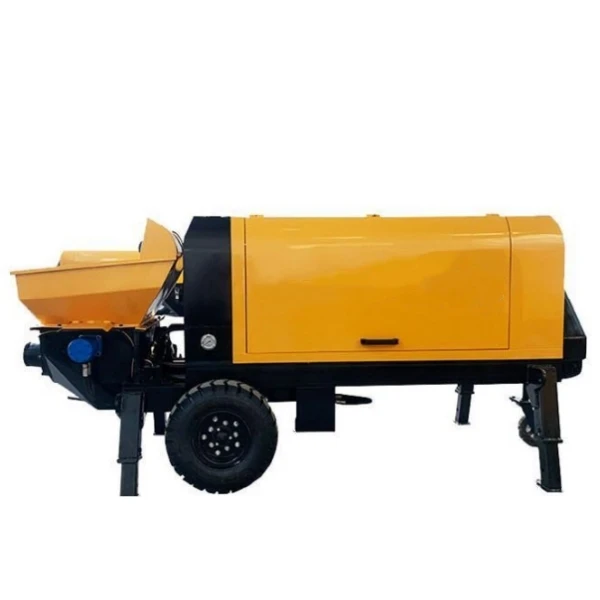
Before we delve into the feeding process, it's crucial to have a basic understanding of a Mobile Concrete Pump. A mobile concrete pump is a versatile piece of equipment designed to transport liquid concrete from the mixer to the construction site. It consists of a pumping system, a boom or pipeline for directing the concrete flow, and a chassis for mobility. The pump uses a piston - driven mechanism to create pressure and move the concrete through the pipeline.

Pre - feeding Preparations
1. Equipment Inspection
- Check the Pump: Before starting the feeding process, thoroughly inspect the mobile concrete pump. Look for any signs of damage to the pumping system, hoses, and valves. Ensure that all moving parts are well - lubricated and in good working condition. Check the hydraulic system for leaks and proper fluid levels.
- Examine the Pipeline: Inspect the pipeline that will carry the concrete from the pump to the placement site. Make sure the joints are tight and secure to prevent any leakage during the pumping process. Check for any blockages or debris inside the pipeline and clean it if necessary.
2. Concrete Mix Preparation
- Quality Control: The quality of the concrete mix is of utmost importance. The mix should have the right consistency, which is typically measured by slump. A slump that is too high can lead to segregation, while a slump that is too low can cause blockages in the pump. Generally, a slump of 180 - 220 mm is suitable for most mobile concrete pump applications.
- Aggregate Size: The size of the aggregates in the concrete mix should be appropriate for the pump. Larger aggregates can cause blockages in the pump and pipeline. As a rule of thumb, the maximum aggregate size should not exceed one - third of the smallest cross - sectional dimension of the pipeline.
The Feeding Process
1. Positioning the Mobile Concrete Pump
- Stable Ground: Place the mobile concrete pump on a flat, stable surface. This ensures the safety of the equipment and the accuracy of the concrete placement. If the ground is uneven, use leveling jacks to adjust the pump's position.
- Proximity to the Mixer: Position the pump as close as possible to the concrete mixer. This reduces the distance the concrete has to travel, minimizing the risk of segregation and blockages.
2. Connecting the Pipeline
- Correct Installation: Connect the pipeline to the pump outlet and the placement point. Make sure the connections are tight and sealed properly. Use appropriate clamps or couplings to secure the joints.
- Pipeline Layout: Plan the pipeline layout carefully. Avoid sharp bends and long, horizontal runs as much as possible. Sharp bends can increase the resistance to the concrete flow, while long horizontal runs can cause the concrete to settle and segregate.
3. Starting the Pump
- Priming the Pump: Before starting to feed concrete, prime the pump with water or a suitable lubricant. This helps to create a smooth flow path for the concrete and prevents the pump from overheating.
- Initial Testing: Start the pump at a low speed and run it for a few minutes to check for any abnormal noises or vibrations. This allows you to detect and address any potential issues before starting to feed the concrete.
4. Feeding the Concrete
- Continuous Flow: Feed the concrete into the pump hopper continuously. A consistent flow of concrete ensures smooth operation and reduces the risk of blockages. Use a conveyor belt or a chute to transfer the concrete from the mixer to the hopper.
- Monitoring the Hopper Level: Keep an eye on the concrete level in the hopper. The hopper should always be at least one - third full to prevent air from entering the pumping system. If the hopper level gets too low, stop the pump immediately and refill the hopper.
- Avoiding Overloading: Do not overload the hopper with too much concrete at once. Overloading can cause the concrete to spill over and may also lead to blockages in the pump.
Troubleshooting during the Feeding Process
1. Blockages
- Detection: If the pump's pressure suddenly increases or the concrete flow slows down, it may indicate a blockage in the pipeline. Listen for any abnormal noises, such as banging or rattling, which can also be a sign of a blockage.
- Clearing the Blockage: To clear a blockage, first, stop the pump. Try to locate the blockage by tapping on the pipeline. If the blockage is near the end of the pipeline, you may be able to remove it manually. If the blockage is deeper in the pipeline, you can use a high - pressure water jet or a mechanical rod to clear it.
2. Segregation
- Causes and Detection: Segregation occurs when the components of the concrete mix separate, usually due to improper mixing, high slump, or long - distance transportation. You can detect segregation by observing the concrete in the hopper or at the placement point. If you see large aggregates settling at the bottom and a layer of mortar on top, segregation has occurred.
- Preventive Measures: To prevent segregation, ensure that the concrete mix has the right consistency and is well - mixed. Avoid over - agitating the concrete during transportation and pumping.
Importance of Regular Maintenance
Regular maintenance of the mobile concrete pump is essential for its proper functioning and longevity. After each use, clean the pump and the pipeline thoroughly to remove any remaining concrete. Lubricate the moving parts and check the hydraulic system for any signs of wear or damage. Replace any worn - out parts promptly to prevent further problems.
Conclusion
Feeding concrete into a mobile concrete pump is a process that requires careful preparation, attention to detail, and proper technique. By following the steps outlined in this blog, you can ensure efficient and trouble - free operation of your mobile concrete pump. At our company, we offer a wide range of high - quality Mobile Concrete Pump, Small Concrete Pump, and Concrete Grouting Machine to meet your construction needs. If you're interested in purchasing our products or have any questions about concrete pumping, we encourage you to contact us for a detailed discussion and procurement negotiation.
References
- "Concrete Pumping Handbook" by the American Concrete Pumping Association
- "Construction Equipment Operation and Maintenance" by various industry experts