

As a supplier of portable concrete pumps, I understand the importance of keeping your equipment in top - notch condition. Wearing parts are an inevitable aspect of any machinery, and a portable concrete pump is no exception. Regular replacement of these parts can significantly extend the lifespan of your pump and ensure its efficient operation. In this blog, I'll guide you through the process of replacing the wearing parts of a portable concrete pump.
Understanding the Wearing Parts
Before you start replacing the wearing parts, it's crucial to know what they are. The common wearing parts in a portable concrete pump include the concrete piston, spectacle plate, cutting ring, S - valve, and conveying cylinder.
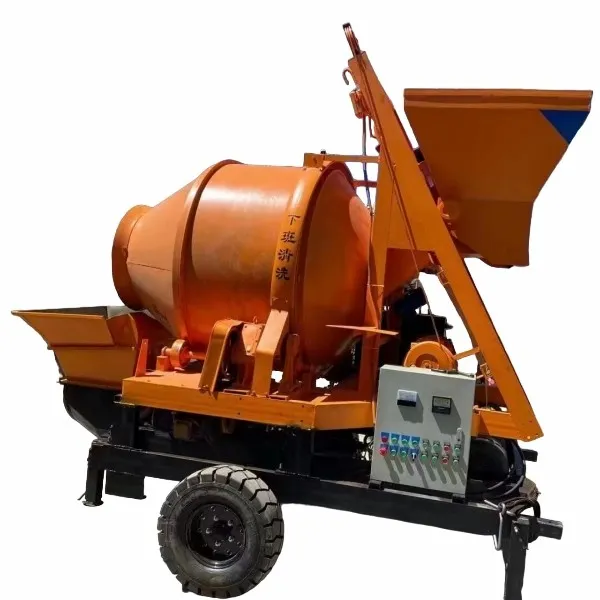

The concrete piston is responsible for pushing the concrete into the delivery pipe. Over time, it can wear out due to the high - pressure movement and the abrasive nature of the concrete. The spectacle plate and cutting ring work together to control the flow of concrete from the hopper into the delivery pipe. They are constantly in contact with the concrete, so they are prone to wear. The S - valve is a key component that switches the flow direction of the concrete, and it also experiences significant wear during operation. The conveying cylinder is where the concrete is pushed by the piston, and its inner surface can be worn by the concrete flow.
Pre - replacement Preparations
- Gather the Necessary Tools: You'll need a set of basic tools such as wrenches, screwdrivers, pliers, and a crane or hoist if you need to lift heavy parts. Make sure all the tools are in good condition and of the right size for the job.
- Shut Down the Pump: Before starting any maintenance work, turn off the power supply of the portable concrete pump and make sure it is completely stopped. This is a safety measure to prevent any accidental start - up during the replacement process.
- Drain the Hydraulic Oil: If the replacement involves hydraulic components, you need to drain the hydraulic oil from the system. Follow the manufacturer's instructions on how to properly drain the oil to avoid spills and environmental pollution.
- Clean the Work Area: Remove any debris, concrete residues, or dirt from the pump and the surrounding area. A clean work area will make the replacement process easier and reduce the risk of contamination.
Replacing the Concrete Piston
- Remove the Piston Rod Cover: Use a wrench to loosen and remove the bolts on the piston rod cover. Carefully take off the cover to expose the piston rod.
- Disconnect the Piston Rod: Loosen the nuts or bolts that connect the piston rod to the piston. Once disconnected, you can pull out the piston rod from the conveying cylinder.
- Remove the Old Piston: Use a suitable tool to remove the old concrete piston from the end of the piston rod. Be careful not to damage the piston rod during this process.
- Install the New Piston: Lubricate the new piston with a suitable lubricant and carefully install it on the piston rod. Make sure it is properly seated and tightened.
- Reconnect the Piston Rod: Reattach the piston rod to the piston and tighten the nuts or bolts securely.
- Replace the Piston Rod Cover: Put the piston rod cover back in place and tighten the bolts.
Replacing the Spectacle Plate and Cutting Ring
- Open the Hopper: Remove the bolts or fasteners that secure the hopper cover and open it to access the spectacle plate and cutting ring.
- Remove the Old Parts: Use a wrench or other appropriate tools to loosen and remove the bolts that hold the spectacle plate and cutting ring in place. Carefully take out the old parts.
- Clean the Mounting Surface: Clean the mounting surface where the spectacle plate and cutting ring are installed to ensure a good fit for the new parts.
- Install the New Parts: Place the new spectacle plate and cutting ring on the mounting surface and align them properly. Tighten the bolts securely to prevent any leakage.
- Close the Hopper: Put the hopper cover back in place and secure it with the bolts or fasteners.
Replacing the S - valve
- Support the S - valve: Use a crane or hoist to support the S - valve to prevent it from falling during the removal process.
- Disconnect the Hydraulic Hoses: Carefully disconnect the hydraulic hoses that are connected to the S - valve. Make sure to label the hoses to ensure correct re - connection later.
- Remove the S - valve: Loosen and remove the bolts that hold the S - valve in place. Slowly lift the S - valve out of the pump using the crane or hoist.
- Install the New S - valve: Lower the new S - valve into the pump and align it with the mounting holes. Tighten the bolts securely.
- Reconnect the Hydraulic Hoses: Reconnect the hydraulic hoses to the S - valve according to the labels you made earlier. Make sure all the connections are tight to prevent hydraulic oil leakage.
Replacing the Conveying Cylinder
- Drain the Concrete: If there is any concrete left in the conveying cylinder, drain it completely. You can use a special concrete drain valve or other methods to achieve this.
- Disconnect the Cylinder: Loosen and remove the bolts that connect the conveying cylinder to the pump body. Disconnect any other connections such as pipes or sensors.
- Remove the Old Cylinder: Use a crane or hoist to lift the old conveying cylinder out of the pump.
- Install the New Cylinder: Lower the new conveying cylinder into the pump and align it with the mounting holes. Tighten the bolts securely.
- Reconnect the Pipes and Sensors: Reconnect all the pipes and sensors that were disconnected earlier.
Post - replacement Checks
- Check the Connections: Make sure all the parts are properly connected and tightened. Check for any loose bolts, nuts, or hoses.
- Refill the Hydraulic Oil: If you drained the hydraulic oil earlier, refill it to the appropriate level according to the manufacturer's instructions.
- Test the Pump: Start the portable concrete pump and let it run for a short period to check if it is working properly. Observe the operation of the pump, including the flow of concrete, the movement of the pistons, and the function of the S - valve. If there are any abnormal noises, vibrations, or leaks, stop the pump immediately and check for problems.
Conclusion
Replacing the wearing parts of a portable concrete pump is a task that requires careful planning and execution. By following the steps outlined above, you can ensure a smooth replacement process and keep your pump in good working condition.
As a professional portable concrete pump supplier, we offer a wide range of high - quality wearing parts for your pump. If you are interested in our Concrete Pumping Equipment, Hydraulic Concrete Pump, or Concrete Mixer Pump, or if you have any questions about the replacement of wearing parts, please feel free to contact us for procurement and negotiation. We are committed to providing you with the best products and services.
References
- Manufacturer's Manuals for Portable Concrete Pumps
- Industry Standards for Concrete Pump Maintenance