

Hey there! As a concrete grout pump supplier, I often get asked about the difference between piston - type and rotor - stator concrete grout pumps. Well, let's dive right in and break it down.
How They Work
First off, let's talk about how these two types of pumps operate. A piston - type concrete grout pump is like a powerhouse. It uses pistons to push the concrete grout through the pipeline. Picture a big, strong piston moving back and forth, creating a force that drives the grout forward. The piston sucks the grout into a chamber when it moves backward and then pushes it out when it moves forward. This action is pretty straightforward and gives you a lot of control over the flow rate. You can adjust the speed of the piston to match the requirements of your project.
On the other hand, a rotor - stator concrete grout pump works in a different way. It has a rotor that rotates inside a stator. The stator is a rubber - lined tube, and as the rotor turns, it creates cavities that trap the grout and move it along the pipeline. It's a bit like a corkscrew effect. The rotation of the rotor causes the grout to be continuously pushed forward. This design is great for handling more viscous grouts because the squeezing action of the rotor in the stator can move thick materials more easily.
Performance
When it comes to performance, both pumps have their own strengths. Piston - type pumps are known for their high pressure and high flow rate capabilities. They can handle large volumes of grout and push it over long distances. This makes them ideal for big construction projects like high - rise buildings or large infrastructure work. For example, if you're working on a skyscraper and need to pump concrete grout to the upper floors, a piston - type pump can get the job done efficiently.
However, piston - type pumps can be a bit noisy and require more maintenance. The pistons and other moving parts wear out over time and need to be replaced regularly. Also, they are not as good at handling very thick or abrasive grouts because the pistons can get damaged easily.
Rotor - stator pumps, on the other hand, are more gentle on the grout. They can handle a wider range of viscosities, from thin to very thick grouts. This makes them suitable for applications where the grout needs to be pumped without being overly agitated, like in some decorative concrete work or when using special grout mixtures. They are also quieter and generally require less maintenance compared to piston - type pumps. But their flow rate and pressure are usually lower than piston - type pumps, so they may not be the best choice for large - scale, long - distance pumping jobs.
Cost
Cost is always an important factor when choosing a concrete grout pump. Piston - type pumps are generally more expensive to purchase. This is because of their complex design and high - performance capabilities. They also have higher operating costs due to the need for regular maintenance and replacement of parts. However, if you have a large - scale project that requires high - pressure and high - volume pumping, the investment in a piston - type pump may be worth it in the long run.
Rotor - stator pumps are usually more affordable upfront. They are simpler in design, which means they cost less to manufacture. Their lower maintenance requirements also result in lower operating costs. So, if you're working on a smaller project or have a limited budget, a rotor - stator pump could be a great option.
Applications
Let's talk about where these pumps are commonly used. Piston - type pumps are often used in large construction projects such as building bridges, dams, and high - rise buildings. They are also suitable for applications where high - pressure pumping is required, like in underground tunneling. The high flow rate and pressure of piston - type pumps allow them to quickly fill large forms or deliver grout to remote locations.
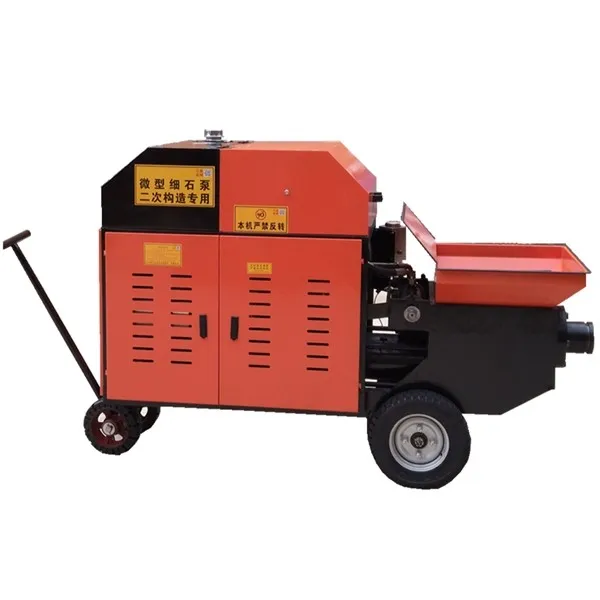

Rotor - stator pumps are popular in applications where the grout needs to be pumped gently, such as in tile grouting, small - scale concrete repairs, and some geotechnical applications. They are also commonly used in the food and chemical industries for pumping viscous fluids because of their ability to handle different viscosities without damaging the material.
Which One Should You Choose?
So, how do you decide which type of pump is right for your project? Well, it depends on several factors. If you have a large - scale project with high - volume and long - distance pumping requirements, a piston - type pump is probably your best bet. But if you're working on a smaller project, need to handle different grout viscosities, or have a limited budget, a rotor - stator pump might be more suitable.
As a concrete grout pump supplier, I can help you make the right choice. We offer a wide range of Portable Concrete Pump, Concrete Grouting Machine, and Electric Concrete Pump to meet your specific needs. Whether you need a high - performance piston - type pump or a versatile rotor - stator pump, we've got you covered.
If you're interested in learning more about our products or have any questions about which pump is right for your project, don't hesitate to reach out. We're here to help you make the best decision and ensure that your project runs smoothly.
Conclusion
In conclusion, both piston - type and rotor - stator concrete grout pumps have their own unique features and advantages. Understanding the differences between them can help you choose the right pump for your project. Whether you're a contractor, a DIY enthusiast, or someone involved in the construction industry, having the right pump can make a big difference in the success of your project.
If you're ready to take the next step and purchase a concrete grout pump, or if you just want to have a chat about your options, feel free to contact us. We're always happy to assist you with your concrete grout pump needs.
References
- Concrete Pumping Handbook, various industry publications
- Manufacturer's specifications and technical documents for piston - type and rotor - stator concrete grout pumps.