

Can a grout mixer be used for tile grout?
Tile grout is an essential part of any tiling project, providing not only a decorative finish but also protecting the edges of tiles and preventing water infiltration. A grout mixer is a tool designed to blend grout materials into a smooth, homogeneous mixture. But the question remains: can a grout mixer be used for tile grout? In this blog post, as a grout mixer supplier, I'll explore this topic in detail.
Understanding Tile Grout and Grout Mixers
Tile grout comes in various types, including cement - based, epoxy, and urethane grouts. Cement - based grout is the most commonly used type for residential and commercial tiling projects. It is a mixture of cement, sand, and additives that harden when mixed with water. Epoxy and urethane grouts, on the other hand, are more durable and resistant to stains and chemicals, but they also require a more precise mixing process.

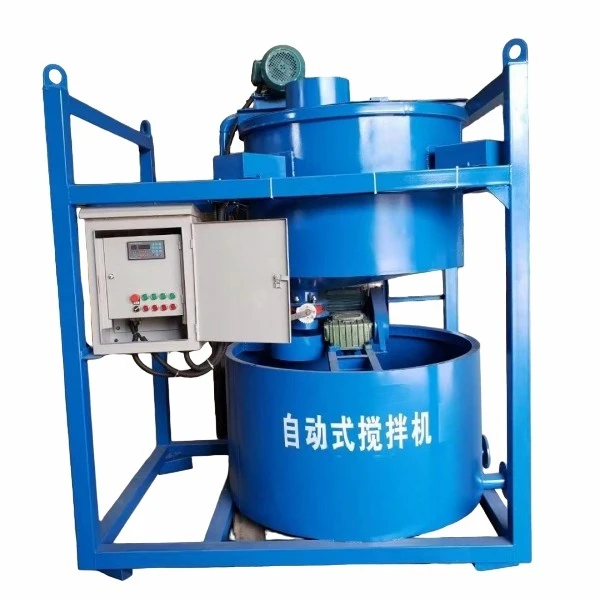
A grout mixer, as the name suggests, is a machine that helps in mixing grout. There are different types of grout mixers available in the market, each with its own features and capabilities. For instance, the Electric Grout Mixer is powered by electricity, providing consistent and efficient mixing. The Cement Grout Mixer Machine is specifically designed for cement - based grouts, and the Grout Pump Mixer combines the functions of mixing and pumping the grout.
Advantages of Using a Grout Mixer for Tile Grout
1. Consistent Mixing
One of the primary advantages of using a grout mixer for tile grout is the ability to achieve a consistent mixture. When mixing tile grout by hand, it can be challenging to ensure that all the ingredients are evenly distributed. This can lead to lumps in the grout, which can affect the appearance and performance of the tile installation. A grout mixer, however, uses mechanical force to blend the grout materials thoroughly, resulting in a smooth and uniform mixture every time.
2. Time - Saving
Mixing tile grout by hand is a labor - intensive and time - consuming process. Especially for large tiling projects, it can take hours to mix the required amount of grout. A grout mixer can significantly reduce the mixing time. It can quickly blend large quantities of grout, allowing you to complete the tiling project more efficiently.
3. Reduced Physical Strain
Hand - mixing grout requires a lot of physical effort, especially when dealing with thick or large volumes of grout. This can lead to fatigue and potential injuries, such as back pain or wrist strain. Using a grout mixer eliminates the need for manual labor, reducing the physical strain on the user.
Considerations When Using a Grout Mixer for Tile Grout
1. Type of Grout
As mentioned earlier, different types of tile grout have different mixing requirements. Cement - based grouts are generally easier to mix and can be used with most grout mixers. Epoxy and urethane grouts, however, require more precise mixing ratios and a cleaner mixing environment. Some grout mixers may not be suitable for these types of grouts, so it's important to check the manufacturer's recommendations before use.
2. Mixing Speed and Power
The speed and power of the grout mixer can also affect the quality of the tile grout mixture. A mixer with too low a speed may not be able to break up lumps effectively, while a mixer with too high a speed may cause the grout to splash or generate too much heat, which can affect the setting time of the grout. It's important to choose a grout mixer with the appropriate speed and power for the type and volume of tile grout you are using.
3. Cleaning
After using a grout mixer for tile grout, it's crucial to clean the mixer thoroughly. Grout can harden quickly, and if left in the mixer, it can damage the machine and affect its performance. Make sure to follow the manufacturer's cleaning instructions to keep the grout mixer in good condition.
Case Studies
Let's take a look at some real - world examples of using a grout mixer for tile grout.
Case 1: Residential Bathroom Tiling
A homeowner was undertaking a bathroom tiling project. They initially tried to mix the cement - based tile grout by hand but found it difficult to achieve a smooth consistency. After purchasing an Electric Grout Mixer, they were able to mix the grout quickly and easily. The resulting grout was smooth and free of lumps, which made the tiling process much easier and the final result looked professional.

Case 2: Commercial Floor Tiling
A construction company was working on a large - scale commercial floor tiling project. They needed to mix a significant amount of epoxy grout. By using a Grout Pump Mixer, they were able to mix and pump the grout directly to the tiling area. This not only saved time but also ensured a consistent application of the grout, leading to a high - quality finish.
Conclusion
In conclusion, a grout mixer can definitely be used for tile grout, and in most cases, it offers significant advantages over hand - mixing. Whether you are a homeowner doing a small tiling project or a professional contractor working on a large - scale job, a grout mixer can help you achieve better results in less time and with less physical effort.
However, it's important to choose the right type of grout mixer based on the type of tile grout you are using and to follow the proper mixing and cleaning procedures. If you are in the market for a grout mixer, we offer a wide range of high - quality grout mixers, including the Electric Grout Mixer, Cement Grout Mixer Machine, and Grout Pump Mixer.
If you have any questions about our grout mixers or need help choosing the right one for your tile grout project, please feel free to contact us. We are here to assist you in making the best decision for your needs. Our team of experts can provide you with detailed product information and guidance on using our grout mixers effectively. Start your journey towards a successful tiling project with our reliable grout mixers today!
References
- "Tile Grout Handbook" by Tile Council of North America
- "Grout Mixing and Application Best Practices" by Construction Industry Research Foundation