

As a supplier of gunite sprayers, I've had the privilege of working closely with these powerful machines in various construction projects. Gunite sprayers, also known as shotcrete machines, are essential tools in the construction industry, used for applying concrete or mortar to surfaces. However, like any equipment, they come with their fair share of common problems that users often encounter. In this blog post, I'll delve into these issues, offering insights and solutions based on my hands-on experience.
Material Blockages
One of the most prevalent problems with gunite sprayers is material blockages. These blockages can occur at various points in the system, including the hopper, the conveying hose, and the nozzle. Blockages can be caused by several factors, such as improper material mixing, the presence of large aggregates in the material, or a buildup of dried material inside the equipment.
When the material is not mixed correctly, it can form clumps that get stuck in the system. For example, if the water - cement ratio is too low, the mixture may be too dry and difficult to convey. On the other hand, if the ratio is too high, the material may be too runny and cause segregation, leading to blockages.
Large aggregates in the material can also cause problems. Gunite sprayers are designed to handle materials with specific particle sizes. If the aggregates are too large, they can get lodged in the hoses or the nozzle, preventing the smooth flow of the material.
To prevent blockages, it's crucial to ensure proper material preparation. Use a well - graded aggregate and follow the recommended water - cement ratio. Regularly clean the hopper, hoses, and nozzles to remove any dried material buildup. Additionally, use a mesh screen in the hopper to prevent large particles from entering the system.
Wear and Tear of Components
Gunite sprayers are subject to significant wear and tear due to the abrasive nature of the materials they handle. Components such as the hoses, nozzles, and rotors are particularly prone to damage.
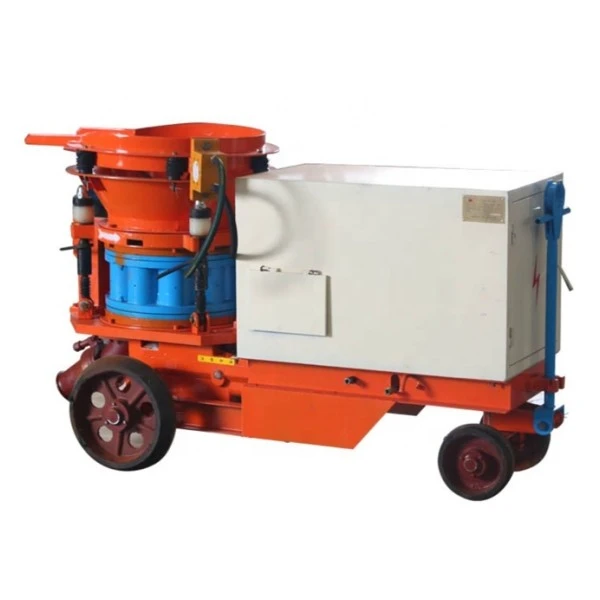

The hoses are constantly exposed to the high - pressure flow of the material, which can cause them to wear out over time. Abrasion from the aggregates in the material can lead to holes or cracks in the hoses, resulting in leaks and reduced performance.
Nozzles are also critical components that can wear out quickly. The high - velocity flow of the material through the nozzle can cause erosion, which affects the spray pattern and the quality of the application.
The rotors in some gunite sprayers are responsible for metering and conveying the material. The constant friction between the rotor and the material can lead to wear, reducing the efficiency of the machine.
To address wear and tear, it's important to use high - quality components. Regularly inspect the hoses, nozzles, and rotors for signs of damage and replace them as needed. Lubricating moving parts can also help reduce friction and extend the lifespan of the components.
Inconsistent Spray Pattern
An inconsistent spray pattern is another common problem with gunite sprayers. This can be caused by several factors, including improper nozzle adjustment, blockages in the nozzle, or issues with the air supply.
If the nozzle is not adjusted correctly, the material may not be sprayed evenly. For example, if the nozzle opening is too wide or too narrow, it can affect the distribution of the material on the surface.
Blockages in the nozzle can also disrupt the spray pattern. As mentioned earlier, dried material or large aggregates can get stuck in the nozzle, causing uneven spraying.
The air supply is crucial for creating the proper spray pattern. If the air pressure is too low or too high, it can affect the atomization of the material and the way it is applied to the surface.
To ensure a consistent spray pattern, regularly check and adjust the nozzle. Clean the nozzle to remove any blockages. Monitor the air pressure and make sure it is within the recommended range for the specific gunite sprayer model.
Overheating
Overheating is a problem that can occur in gunite sprayers, especially during extended use. The motor, compressor, or other components can generate a significant amount of heat, which, if not properly managed, can lead to damage.
Overheating can be caused by several factors, such as a lack of proper ventilation, a malfunctioning cooling system, or continuous operation at high loads.
When the equipment is not properly ventilated, the heat generated by the components cannot dissipate effectively. This can cause the temperature to rise, potentially damaging the motor or other sensitive parts.
A malfunctioning cooling system, such as a clogged radiator or a faulty fan, can also prevent the equipment from cooling down properly.
Continuous operation at high loads can put excessive stress on the components, causing them to overheat. For example, if the gunite sprayer is used to apply a large volume of material for an extended period without breaks, the motor and other parts may overheat.
To prevent overheating, ensure that the gunite sprayer is installed in a well - ventilated area. Regularly check and maintain the cooling system, including cleaning the radiator and checking the fan. Avoid continuous operation at high loads for long periods and allow the equipment to cool down between uses.
Poor Adhesion of the Material
Poor adhesion of the gunite or shotcrete material to the surface is a significant problem in construction applications. This can be caused by several factors, such as improper surface preparation, incorrect material mix, or issues with the spraying technique.
If the surface to which the material is being applied is not properly cleaned and prepared, the gunite may not adhere well. For example, if there is dirt, oil, or loose debris on the surface, it can act as a barrier between the material and the substrate, preventing proper adhesion.
The material mix also plays a crucial role in adhesion. If the water - cement ratio is incorrect or if the wrong type of admixture is used, the material may not bond effectively to the surface.
The spraying technique can also affect adhesion. If the material is sprayed too far from the surface or at the wrong angle, it may not adhere properly.
To improve adhesion, ensure proper surface preparation by cleaning and roughening the surface if necessary. Use the correct material mix and follow the recommended guidelines for admixture use. Train operators on the proper spraying technique, including the correct distance and angle from the surface.
Solutions and Resources
If you're facing any of these common problems with your gunite sprayer, there are solutions available. At our company, we offer a range of high - quality Concrete Shotcrete Machine that are designed to minimize these issues. Our machines are built with durable components and advanced technology to ensure reliable performance.
In addition to our products, we also provide Shotcrete Machine Rental services. This is a great option if you have a short - term project or want to test out a machine before making a purchase.
For those looking for a specific type of gunite sprayer, our Shotcrete Gunite Machine is a top - choice. It is engineered to deliver consistent results and is easy to operate and maintain.
Contact for Purchase and Consultation
If you're interested in learning more about our gunite sprayers or have any questions about the common problems and solutions, we encourage you to contact us. Our team of experts is ready to assist you with your construction equipment needs. Whether you're a small - scale contractor or a large construction company, we have the right solutions for you. Reach out to us to start a discussion about your requirements and how our gunite sprayers can benefit your projects.
References
- Construction Equipment Handbook: A comprehensive guide to the operation and maintenance of construction machinery.
- Shotcrete Association International: Research and best practices in shotcrete technology.