

Hey there! As a supplier of cement grout pumps, I've seen a lot of materials being used with these machines. But not all materials are a good fit for a cement grout pump. In this blog, I'll share some materials that you should avoid using with your cement grout pump.
First off, let's talk about why it's important to choose the right materials. A cement grout pump is designed to handle specific types of materials. Using the wrong materials can cause all sorts of problems, like clogging the pump, damaging its components, and reducing its overall efficiency. So, it's crucial to know which materials are off - limits.
Materials with Large Particles
One of the main things to avoid is materials with large particles. Cement grout pumps are generally designed to handle fine - grained materials. If you try to pump materials with large particles, like gravel or large chunks of stone, it can quickly lead to blockages. The pump's internal passages are usually narrow, and large particles can get stuck, preventing the smooth flow of the grout.
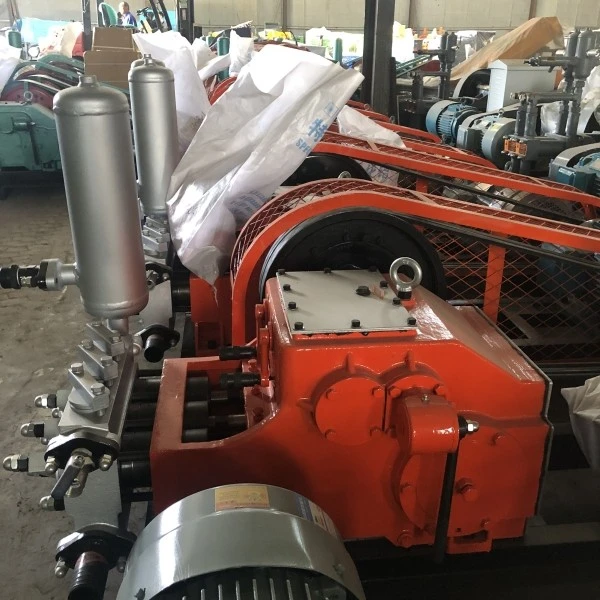
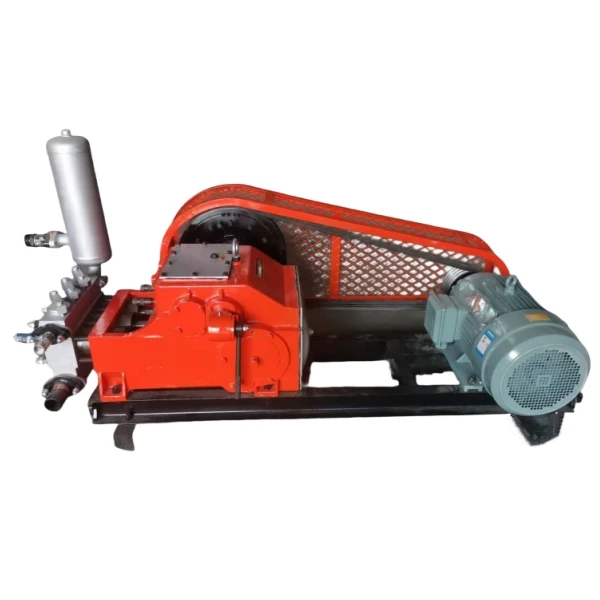
For example, if you're working on a construction project and you accidentally mix some gravel into your grout, and then try to pump it through a High Pressure Cement Grouting Pump, you're likely to face problems. The pump might start making strange noises, and the pressure could build up abnormally. In severe cases, it could even break down the pump. So, always make sure that the materials you use are free from large particles.
Highly Viscous Materials
Another type of material that's not suitable for a cement grout pump is highly viscous materials. Viscosity refers to the thickness or stickiness of a fluid. Some materials, like certain types of thick adhesives or heavy - duty pastes, are extremely viscous. When you try to pump these materials, the pump has to work much harder to move them through the system.
This extra strain can cause overheating of the pump motor and wear out the pump's moving parts more quickly. For instance, if you use a Grout Pumping Machine to pump a very thick epoxy grout that has a high viscosity, the pump might struggle to maintain a consistent flow rate. You might notice that the pumping speed slows down significantly, and the pump might need to be stopped and restarted frequently.
Corrosive Materials
Corrosive materials are also a big no - no for cement grout pumps. These pumps are usually made of metal components, and corrosive substances can eat away at these parts. Materials like strong acids or alkalis can cause rusting and pitting on the internal surfaces of the pump, reducing its lifespan and performance.
For example, if you accidentally use a cement grout pump to pump a solution containing hydrochloric acid, the acid will react with the metal parts of the pump. Over time, this will lead to leaks, reduced pressure, and eventually, the pump might become completely unusable. Always check the chemical composition of the materials you're using and make sure they're not corrosive to the pump's materials.
Fibrous Materials
Fibrous materials can also pose problems for cement grout pumps. Fibers, such as long strands of glass fiber or synthetic fibers, can get tangled inside the pump. They can wrap around the impeller or other moving parts, causing the pump to jam.
Imagine using a cement grout pump to pump a grout mixture that has a lot of glass fibers in it. The fibers will start to collect around the pump's internal components, and as more are pumped through, the blockage will get worse. This can lead to costly repairs and downtime. So, avoid using fibrous materials with your cement grout pump.
Incompatible Chemical Mixtures
Sometimes, the problem isn't with a single material but with the combination of different materials. Certain chemical mixtures can react with each other inside the pump, forming solid deposits or changing the properties of the grout.
For example, if you mix a grout that contains a lot of calcium compounds with a material that has high levels of sulfate, a chemical reaction can occur. This reaction can form a hard, insoluble substance that can clog the pump. Before using any new combination of materials, it's a good idea to consult the Cement Grouting Machine Manual to see if they're compatible.
Conclusion
In conclusion, as a cement grout pump supplier, I've seen firsthand the damage that using the wrong materials can cause. Materials with large particles, highly viscous materials, corrosive materials, fibrous materials, and incompatible chemical mixtures should all be avoided. By choosing the right materials, you can ensure the smooth operation of your cement grout pump, extend its lifespan, and save yourself from costly repairs and downtime.
If you're in the market for a new cement grout pump or have any questions about the materials you can use with your existing pump, don't hesitate to reach out. We're here to help you make the best choices for your projects. Whether you need advice on pump selection or material compatibility, we've got the expertise to assist you. Let's have a chat and see how we can work together to meet your grouting needs.
References
- Construction Materials Handbook: A Guide to Selection and Use
- Pump Manufacturer's Technical Documentation