


Crawler drilling rigs play a vital role in the fields of construction and geotechnical exploration. These machines have revolutionized the way drilling operations are conducted, offering exceptional efficiency and precision, particularly in complex terrain.
Many choose crawler drilling rigs for their versatility; they are capable of handling a wide range of soil conditions and drilling depths.
However, selecting the right rig is crucial. The market offers numerous options, each with unique features and performance capabilities.
Understanding the characteristics of each machine is essential. While performance is important, reliability and maintenance requirements are equally critical factors.
Some rigs excel in urban environments, while others perform outstandingly in remote areas. Choosing the right equipment is pivotal to a project's success and requires careful consideration.
Crawler drilling rigs are indispensable for various drilling projects, offering distinct performance advantages. Their superior mobility allows them to operate in complex terrain, making them suitable for both the construction and mining industries.
Key features include powerful hydraulic systems that enable efficient drilling and maximize productivity.
A robust undercarriage enhances stability and ensures operational safety, while the rotation mechanism allows for precise drilling, even in hard soil.
Tip: Regular maintenance is vital. Check hydraulic fluid levels to prevent leaks and ensure all components are in good condition for optimal performance.
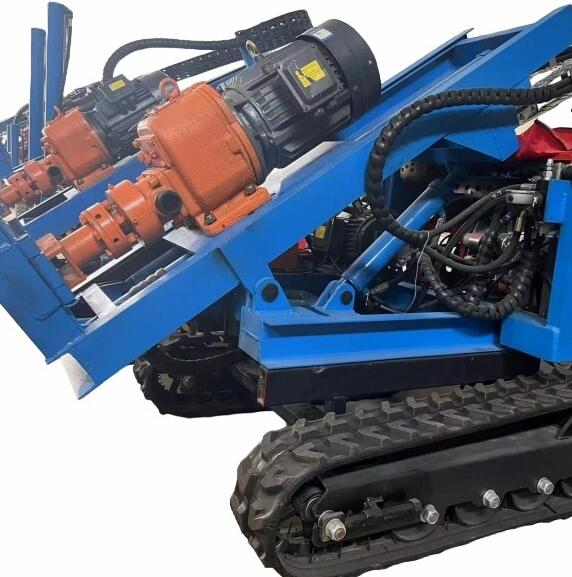
Another important feature is the ability to drill at various angles, an adaptability that benefits a wide range of applications. Advanced control systems enhance precision, allowing operators to easily monitor performance and make real-time adjustments.
Training operators on control systems is essential; proper training leads to better drilling results. Paying attention to drilling speed helps improve overall efficiency.
Understanding these features is crucial, as they directly impact efficiency and project timelines. Taking the time to familiarize yourself with these characteristics pays off in the long run.
When evaluating crawler drilling rigs, performance metrics are key. These metrics determine the rig's efficiency, durability, and adaptability.
Factors such as rotational speed, torque output, and maximum drilling depth directly influence drilling operations. Higher rotational speeds generally result in faster drilling, while sufficient torque ensures the rig can handle diverse soil types.
Fuel efficiency is another critical metric. Drilling rigs with low fuel consumption can reduce costs and minimize environmental impact.
Maintenance requirements are sometimes overlooked. Certain rigs may demand frequent maintenance, thereby affecting overall productivity. Analyzing these factors helps operators select equipment that meets not only operational specifications but also long-term operational goals.
User feedback can also provide insights into performance; real-world experience highlights a rig's strengths and weaknesses.
For instance, a rig might excel in certain types of terrain while underperforming in others. Understanding these nuances facilitates more informed investment decisions.
Each drilling rig presents unique challenges, reminding operators to continuously re-evaluate their choices during field operations.