

As a gunite sprayer supplier, I've encountered numerous customers expressing concerns about the noise generated by these machines. Excessive noise not only creates an unpleasant working environment but can also lead to long - term hearing damage for operators and nearby workers. In this blog, I'll share several effective ways to reduce the noise of a gunite sprayer.
Understanding the Sources of Noise in Gunite Sprayers
Before we delve into the solutions, it's essential to understand where the noise comes from. Gunite sprayers are complex machines, and the noise can originate from multiple sources.

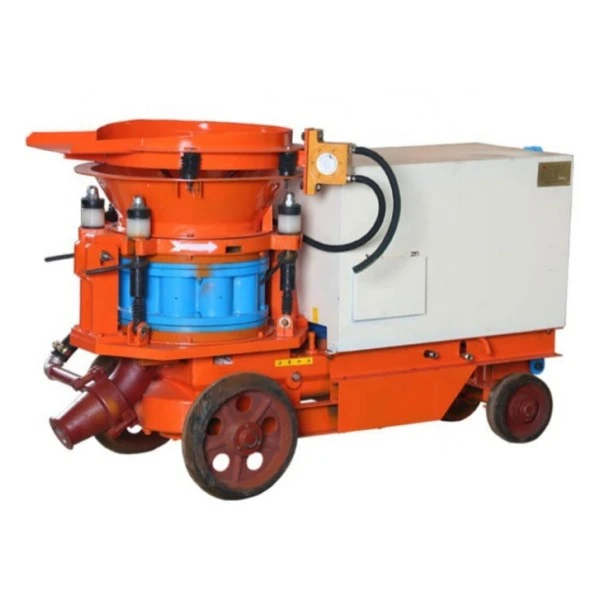
- Motor and Engine Noise: The power source of the gunite sprayer, whether it's an electric motor or a diesel engine, is a significant contributor to the overall noise. The combustion process in a diesel engine, for example, produces high - intensity sound waves. Electric motors also generate noise due to the rotation of their components and the electromagnetic forces at play.
- Air Compression and Release: Gunite sprayers often rely on air compressors to propel the concrete mixture through the nozzle. The compression and sudden release of air create a significant amount of noise. The rapid expansion of air as it exits the compressor and moves through the hoses can cause vibrations and loud hissing sounds.
- Material Movement: The movement of the concrete or other materials within the sprayer can also generate noise. As the material is fed into the machine, conveyed through the pipes, and ejected from the nozzle, it rubs against the inner surfaces of the components, causing friction and vibrations.
Technical Solutions to Reduce Noise
Sound - Insulating Enclosures
One of the most effective ways to reduce the noise emitted by a gunite sprayer is to install a sound - insulating enclosure. These enclosures are designed to absorb and dampen the sound waves produced by the machine. They can be made from various materials such as acoustic foam, fiberglass, or rubber.
The enclosure should be custom - designed to fit the specific model of the gunite sprayer. It should cover the motor, engine, and other major noise - generating components. By containing the sound within the enclosure, the noise level in the surrounding area can be significantly reduced. However, it's important to ensure that the enclosure does not impede the ventilation and cooling of the machine, as overheating can lead to mechanical failures.
Vibration Dampening
Vibrations are a major cause of noise in gunite sprayers. By reducing the vibrations, we can effectively lower the noise level. One way to achieve this is by using vibration - dampening mounts. These mounts are placed between the machine and its base or the floor. They absorb the vibrations generated by the motor, engine, and other moving parts, preventing them from being transmitted to the surrounding structure.
Another method is to use flexible couplings in the drive system. Flexible couplings can absorb the shock and vibration between the motor and the pump, reducing the noise caused by misalignment and mechanical stress. Additionally, ensuring that all the components of the gunite sprayer are properly tightened and secured can also help reduce vibrations and noise.
Air Compressor Optimization
Since the air compressor is a significant source of noise, optimizing its operation can lead to noise reduction. Regular maintenance of the air compressor is crucial. This includes checking and replacing the air filters, lubricating the moving parts, and inspecting the compressor for any signs of wear or damage.
Using a silencer on the air intake and exhaust of the compressor can also reduce the noise. Silencers are designed to dissipate the sound energy of the air flow, reducing the loud hissing and whistling sounds. Additionally, adjusting the compressor's pressure settings to the optimal level can help reduce the noise. Over - pressurizing the compressor can lead to excessive noise and energy consumption.
Nozzle Design and Maintenance
The nozzle of the gunite sprayer plays a vital role in the noise generation process. A well - designed nozzle can help reduce the noise by ensuring a smooth and efficient flow of the material. Nozzles with a proper internal geometry can minimize the turbulence and back - pressure, which are major causes of noise.
Regular maintenance of the nozzle is also important. Over time, the nozzle can become worn or clogged, which can increase the noise level. Cleaning the nozzle regularly and replacing it when necessary can help maintain its optimal performance and reduce the noise.
Operational Practices to Reduce Noise
Operator Training
Proper operator training is essential for reducing the noise of a gunite sprayer. Operators should be trained to start and stop the machine correctly, as sudden starts and stops can cause unnecessary noise. They should also be aware of the optimal operating parameters of the machine, such as the speed, pressure, and material flow rate.
Operators should be trained to listen for any abnormal noises during the operation of the gunite sprayer. Any unusual sounds could indicate a potential problem, such as a mechanical failure or a clogged component. By detecting and addressing these issues early, the noise level can be kept under control.
Scheduling and Location
Scheduling the gunite spraying operations at appropriate times can also help reduce the noise impact. For example, avoiding operating the machine during early morning or late evening hours when people are more likely to be disturbed can minimize the noise complaints.
Choosing the right location for the gunite spraying operations is also important. Placing the machine away from sensitive areas, such as residential buildings, schools, and hospitals, can reduce the noise exposure to the public. Additionally, using natural barriers, such as walls or trees, to block the sound can help reduce the noise level in the surrounding area.
The Benefits of Reducing Noise
Reducing the noise of a gunite sprayer offers several benefits. Firstly, it creates a more comfortable and safer working environment for the operators. Prolonged exposure to high - level noise can cause hearing loss, tinnitus, and other health problems. By reducing the noise, we can protect the health and well - being of the workers.
Secondly, reducing the noise can also improve the public perception of the construction or spraying projects. Excessive noise can cause annoyance and complaints from the nearby residents and businesses. By minimizing the noise, we can avoid potential legal issues and maintain a good relationship with the community.
Finally, a quieter gunite sprayer can also lead to increased productivity. Operators can focus better on their work without being distracted by the loud noise. Additionally, the reduced noise can indicate that the machine is operating more efficiently, which can lead to cost savings in the long run.
Conclusion
Reducing the noise of a gunite sprayer is a multi - faceted challenge that requires a combination of technical solutions and operational practices. As a gunite sprayer supplier, we are committed to providing our customers with high - quality machines and effective noise - reduction solutions.
If you are interested in our Concrete Spraying Gunite Machine, Concrete Shotcrete Machine, or Diesel Shotcrete Machine, and would like to discuss the noise - reduction options further, please feel free to contact us. We are always ready to assist you in finding the best solutions for your specific needs.
References
- "Noise Control in Industrial Environments" - A comprehensive guide on noise reduction techniques in industrial settings.
- "Handbook of Concrete Spraying Technology" - Covers the technical aspects of gunite sprayers and related noise issues.
- "Occupational Safety and Health Administration (OSHA) Standards on Noise Exposure" - Provides guidelines on acceptable noise levels in the workplace.