

Hey there! As a drilling rig supplier, I often get asked about the installation process of a drilling rig. It's a crucial topic because a proper installation ensures the rig operates efficiently and safely. So, let's dive right into it.
Pre - installation Preparation
Before we even start the actual installation, there are a bunch of things we need to take care of. First off, site selection is super important. The area where the drilling rig will be installed should be flat and stable. You don't want it on a slope or a wobbly surface, or else it could cause all sorts of problems later. We need to make sure the ground can support the weight of the rig. If the ground is too soft, we might have to do some ground improvement work, like compacting the soil or laying a concrete foundation.
Next, we need to check all the equipment that comes with the drilling rig. This includes the drill bits, pipes, hydraulic systems, and electrical components. We've got to make sure everything is in good condition and there are no signs of damage or wear. For example, if a drill bit is dull or cracked, it won't work properly during drilling, and it could even pose a safety risk.
We also need to have all the necessary tools and materials ready. This might include wrenches, hoists, and safety equipment like hard hats and safety glasses. Having everything on - hand saves a lot of time and hassle during the installation process.
Unloading and Transporting the Rig
Once we've got the site ready and all the equipment checked, it's time to unload the drilling rig from the transport vehicle. This usually involves using a crane or a forklift, depending on the size and weight of the rig. We need to be really careful during this step to avoid any damage to the rig.

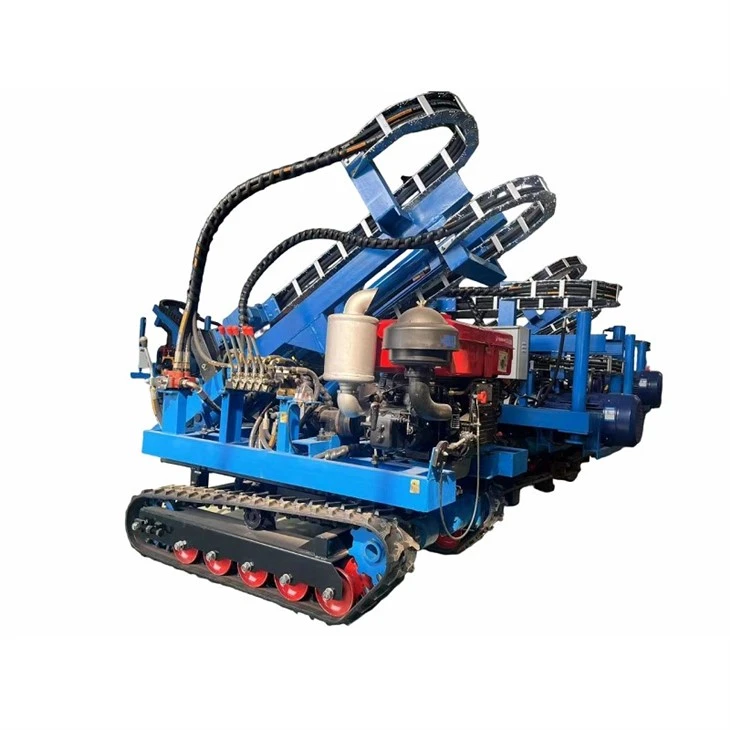
After unloading, we transport the rig to the installation site. If it's a small rig, we might be able to move it manually or with a small tractor. But for larger rigs, we might need to use a specialized transport vehicle. During transportation, we make sure the rig is properly secured to prevent it from shifting or tipping over.
Assembly of the Drilling Rig
Now comes the main part - assembling the drilling rig. This is a step - by - step process that requires a good understanding of the rig's design.
Base Assembly
We start with the base of the rig. The base provides the foundation for the entire structure. We connect the different sections of the base together using bolts and nuts. It's important to tighten these fasteners properly to ensure the base is stable. Once the base is assembled, we level it using a spirit level. A level base is essential for the accurate operation of the rig.
Mast Installation
The mast is the tall, vertical structure that supports the drill string. We usually install the mast in sections. First, we lift the bottom section of the mast onto the base and secure it. Then, we gradually add the upper sections, connecting them one by one. We use a crane to lift the heavy mast sections into place. During the installation, we need to make sure the mast is perfectly vertical. We can use a plumb line or a laser level to check its alignment.
Equipment Mounting
After the mast is installed, we mount the other equipment on the rig. This includes the power unit, which provides the energy for the drilling operations. The power unit can be a diesel engine or an electric motor, depending on the type of rig. We also mount the hydraulic pumps, which are responsible for operating the various hydraulic functions of the rig, like raising and lowering the mast and rotating the drill string.
We also install the control panel, which allows the operator to control the rig's functions. The control panel should be easily accessible and clearly labeled so that the operator can use it safely and efficiently.
Connecting the Systems
Once the rig is assembled, we need to connect all the systems together.
Hydraulic System Connection
The hydraulic system is a critical part of the drilling rig. It powers many of the moving parts. We connect the hydraulic hoses from the pumps to the different hydraulic cylinders and motors on the rig. We need to make sure the connections are tight and there are no leaks. A hydraulic leak can not only reduce the efficiency of the rig but also pose a safety hazard.
Electrical System Connection
If the rig has an electrical system, we connect the wires from the power source to the different electrical components, such as the motors, lights, and sensors. We follow the electrical wiring diagram carefully to ensure proper connections. We also install fuses and circuit breakers to protect the electrical system from overloading.
Drill String Assembly
The drill string is made up of a series of drill pipes and the drill bit. We assemble the drill string by connecting the drill pipes together using threaded connections. We need to make sure the connections are tightened properly to prevent the drill string from coming apart during drilling. Once the drill string is assembled, we lower it into the drill hole through the mast.
Testing and Commissioning
After all the systems are connected, it's time to test the drilling rig. We start with a visual inspection to make sure everything is installed correctly and there are no loose parts or connections.
We then perform a series of functional tests. We test the hydraulic system by operating the different hydraulic functions, like raising and lowering the mast and rotating the drill string. We check the pressure and flow of the hydraulic fluid to make sure they are within the normal range.
We also test the electrical system by turning on the different electrical components and checking if they are working properly. We test the sensors to make sure they are providing accurate readings.
Once all the tests are completed and the rig is working properly, we can commission the rig. This means the rig is ready to be used for actual drilling operations.
Types of Drilling Rigs and Their Installation Nuances
There are different types of drilling rigs, and each might have some unique installation considerations. For example, a Crawler Drilling Rig is designed to move on crawler tracks. During installation, we need to make sure the crawler tracks are properly aligned and adjusted. The hydraulic systems for the crawler movement also need to be carefully installed and tested.
A Hydraulic Crawler Drill Machine relies heavily on its hydraulic system. So, during installation, extra attention should be paid to the hydraulic connections and the proper functioning of the hydraulic pumps and cylinders.
An Anchor Drilling Rig is used for specific applications like anchoring structures. Its installation might involve additional steps to ensure it can accurately drill the anchor holes.
Conclusion
The installation process of a drilling rig is a complex but crucial task. It requires careful planning, proper tools, and skilled personnel. By following the steps outlined above, we can ensure that the drilling rig is installed safely and efficiently.
If you're in the market for a drilling rig or need more information about the installation process, don't hesitate to get in touch with us. We're here to help you with all your drilling rig needs, from selection to installation and after - sales support. Let's start a conversation and see how we can work together to meet your requirements.
References
- Drilling Rig Handbook, Industry Publication
- Manufacturer's Installation Manuals for Drilling Rigs