


About us
Henan Tytion Machinery Co., Ltd was established in 2003. Now it owns total assets over 3 million RMB with 90 staff including 20 professional technicians and 12 engineers. Engineers with the college degree take up more than 70% of the total staff number. The company has new modern standard workshop of 16,000 m². Henan Tytion Machinery is a professional construction machinery manufacturer integrating design, research and development, production and sales. The company is located in Zhengzhou City, Henan Province, with convenient transportation. The company mainly produces various types of grout pumps, dry and wet shotcrete machine, small drilling rigs and other construction equipment, and its products have been well received by customers.
With the company's foundation laid, under the guidance, supervision and strict requirements of the leaders, and with the active coordination and cooperation of colleagues from various departments, the company has achieved remarkable results in the past few years. It has successfully opened up markets in Southeast Asia, Africa, South America, the Middle East and other countries and regions. In the future development process, we will always based on integrity and guaranteed by technology, we sincerely serve every customer.
Why choose us?
Professional manufacturer
Henan Tytion Machinery is a professional construction machinery manufacturer integrating design, research and development, production and sales.
Customized services
Design and manufacture machines for you as your special requirements, provide you with project, process design, and purchase program.
Quality assurance
All of our products comply with international quality standards and are greatly appreciated in a variety of different markets throughout the world.we have received ISO9001 certificate,CE certificate, etc.
Rich experience
Dedicated to strict quality control and attentive customer service, our experienced staff is always available to discuss your requirements and ensure complete customer satisfaction.
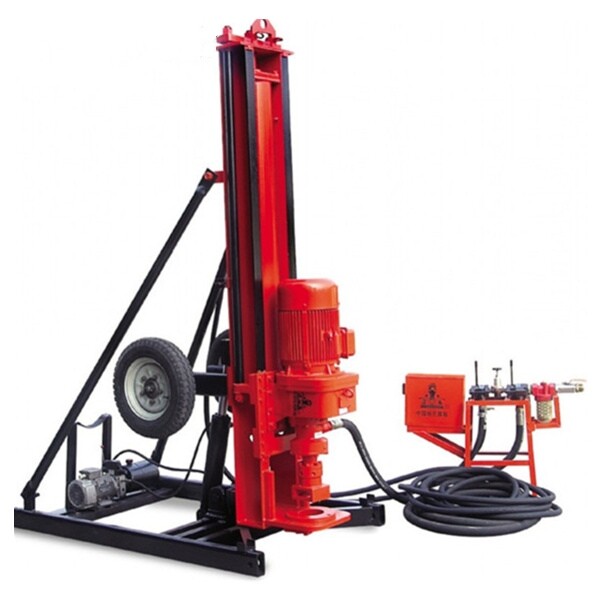
The DTH drilling rig is a percussive rotary drill, its internal structure is different from that of a conventional rock drill, and its valve train and reciprocating mechanism are impactor. The front end is directly connected to the bit, and the back end is connected to the drill rod. In the dive hole of the impactor in rock drilling, through the gas distribution device(valve), the percussion device (hammer body) reciprocating movement strikes the drill tail, making the drill produce a kind of gyration force to the rock bottom.
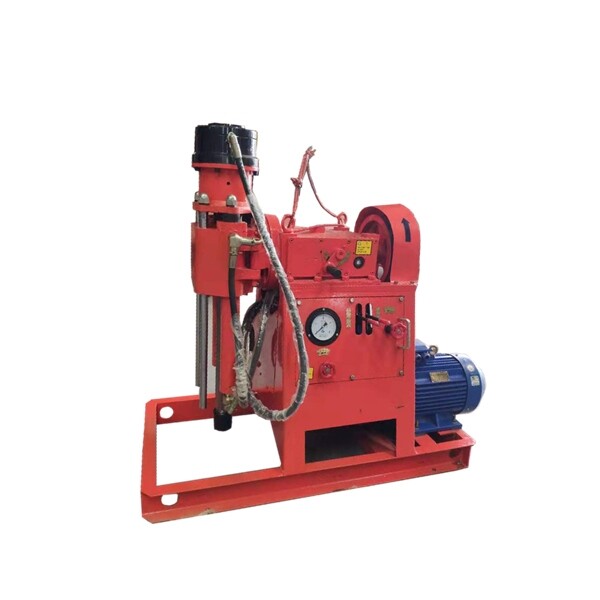
Tunnel drilling rig is mainly used inside the mine, for drilling depth of 50-80m, opening diameter φ108mm, final hole diameter ≥φ76mm, various angles of water exploration and drainage holes, geological structure holes, fire extinguishing holes, gas extraction holes and other engineering grouting reinforcement holes. It can also drill geological drilling holes and holes for other purposes on the ground. This tunnel drilling rig has the advantages of small size, light weight and reliable performance.
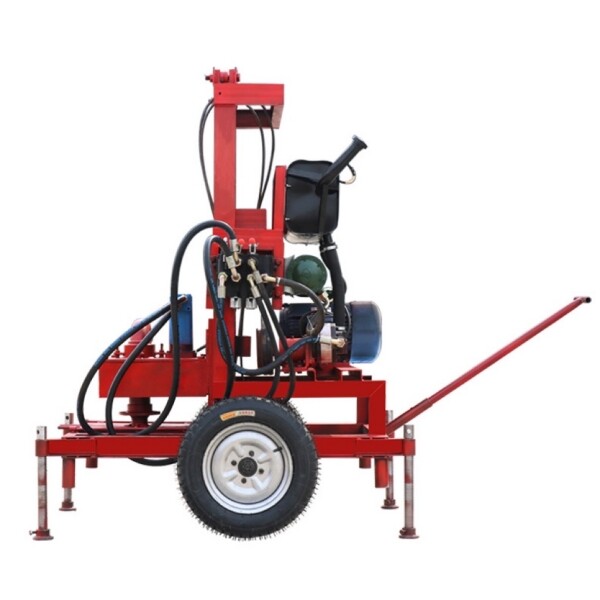
The water well drilling rig is mainly used for drilling civil drinking water wells, irrigation wells, ground source heat pump air conditioning wells, engineering precipitation wells, drought-resistant wells, industrial water wells, small foundation piles, acoustic pipe testing, etc.
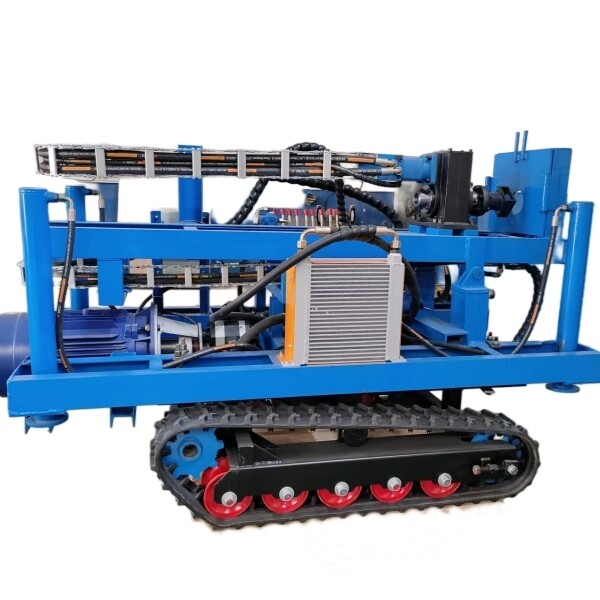
Hydraulic Crawler Drill Machine
The GF680 hydraulic crawler drill machine is a new type of high-efficiency and energy-saving rock drilling equipment designed by our company. It has a simple structure, is easy to operate, and is safe and reliable.
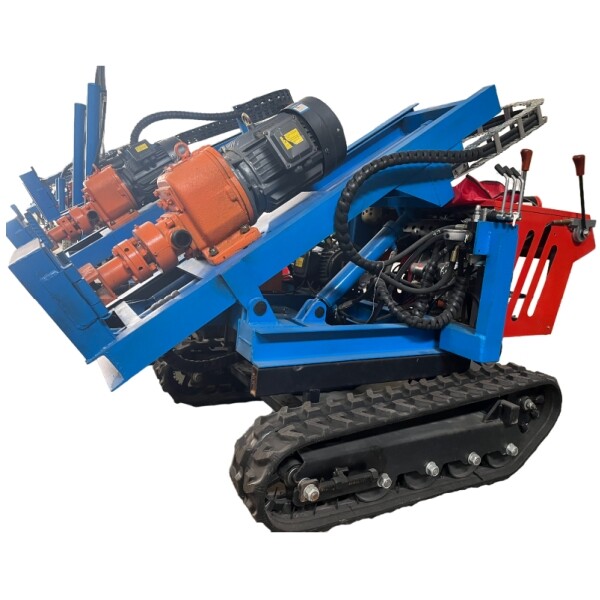
1. Name: Crawler drilling rig
2. Model: V520
3. Diameter of drilling hole: 50-150 MM
4. Drilling depth: 30 M
4. Rotation speed: 1450 r/min
5. Motor power: 4/5.5/7 kw
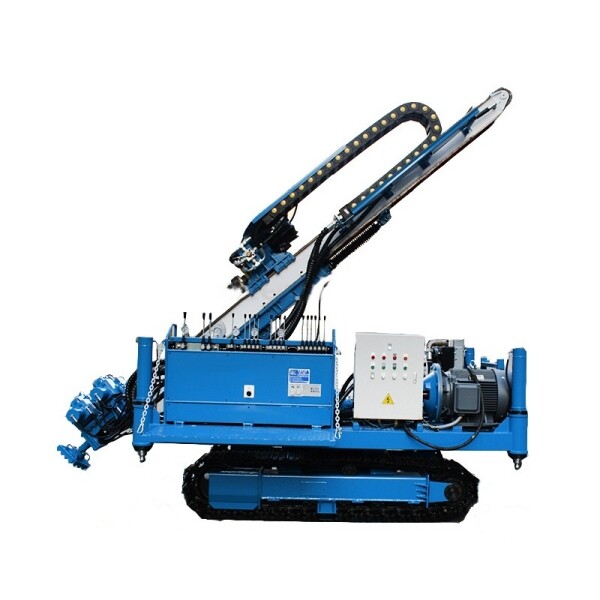
1. Name: Automatic anchor drilling rig
2. Model: MGL-150D
3. Drilling diameter: 150-250 MM
4. Drilling depth: 130-170 M
5. Drill pipe diameter: Φ73,Φ89,Φ102,Φ114 MM
6. Motor power: 55+18.5 kw
What is Anchor Drilling Rig
Anchor rigs have many common names, such as bolt drills, rock drills, bolt percussion drills and so on. The powerhead is an integrated design of impact and rotation and has the function of counterattack. The drilling rig can not only quickly drill into general rock formations, but also realize rapid drilling into gravel and cobblestone layers. It is especially suitable for foundation pit anchoring, slope maintenance, engineering reinforcement, and casing anchoring and pipe construction in various complex and easily collapsed formations.
Benefits of Anchor Drilling Rig
The main arm of the anchoring rig can be pitched within 90°, and the drill frame can swing within 180°. The unique designs of the telescopic arm and rotating arm enable the drilling rig to perform multi-layer anchoring operations within a height of 6 meters. The mainframe can rotate within 360°, and intensive drilling operations can be realized within a certain range. The anchor rig has a high drilling efficiency and moderate fuel consumption, which greatly improves the adaptability and operating efficiency of the rig, greatly reduce operating costs, and truly maximize the benefits. The deepest drilling depth can reach 120 meters, and the fastest drilling speed can reach 1 meter per second. The advantage of the equipment is that the main arm can be automatically extended and the head can be rotated 360 degrees, which is suitable for working under high drilling density and it can easily adapt to various geological formations.
Application of Anchor Drilling Rig
Anchoring drilling rigs are mainly used for the landslide treatment projects of railways, highways, water conservancy and hydropower facilities, and the dangerous rock body anchoring projects, the control of high-slope rock mass body anchorage projects for the displacement of buildings, and also for the construction of deep foundation pit supports and foundations in cities. Reinforce engineering holes, blasting blasting holes, and tunnel pipe shed support holes. Has good performance: compact structure, small size, light weight, flexible, can be applied to work on high slopes and scaffolds; hydraulic power heads have large output torque, strong drilling ability, and a wide range of drilling rigs; The output speed of the power head is infinitely variable, and drilling parameters can be selected independently according to different construction requirements and geological conditions to achieve the best drilling efficiency. Therefore, no matter what type of anchor drilling rig, the hydraulic transmission system is an important component of the anchorage drilling rig equipment.
Anchor drilling rigs, also known as anchoring drilling rigs or anchoring engineering drilling rigs, are powerful machines designed to drill deep holes into the ground for a variety of engineering purposes. These rigs are used extensively in civil and geotechnical engineering projects to create anchor holes, boreholes, and vertical and angled holes in soil and rock. They are particularly important in slope protection, slope support, deep foundation pit support, and foundation reinforcement engineering, where their ability to create stable and secure anchor points is crucial.
The construction industry has come a long way in recent years, with technological advancements revolutionizing the way we build structures. One of the most important advancements has been the development of anchor drilling rigs. These powerful machines are capable of drilling deep into the earth to create boreholes that can be used for a variety of purposes, from stabilizing slopes to supporting deep foundation pits.
One of the most common uses for anchor drilling rigs is soil nailing. This construction technique involves the insertion of steel reinforcing bars, or nails, into a slope or excavation face, which are then grouted in place to create a stable mass. The nails are typically spaced out in a grid pattern to ensure maximum stability. Soil nailing is a cost-effective and efficient way to reinforce slopes and excavations, and anchor drilling rigs are crucial to the process.
Another important use of anchor drilling rigs is in the creation of deep foundation pits. These pits are often required for the construction of high-rise buildings or other large structures, and the use of anchor drilling rigs is essential to ensure the stability and safety of the surrounding area. The rigs can create deep boreholes, which are then filled with grout and steel reinforcement to create a stable foundation for the building.
In addition to soil nailing and deep foundation pit support, anchor drilling rigs are also used extensively in slope protection and slope support projects. These rigs can create angled and vertical holes in soil and rock, which can then be filled with grout and steel reinforcement to create a stable anchor point. This technique is particularly useful in areas where the slope is unstable, such as in mountainous regions or areas with high levels of rainfall.
There are many different types of anchor drilling rigs available, each designed to meet specific engineering needs. Some rigs are designed for drilling in soil, while others are specifically designed for drilling in rock. Some rigs are capable of drilling at angles, while others are designed for vertical drilling. The type of rig required will depend on the specific project needs.
Anchor drilling rigs are a crucial component of modern geotechnical and civil engineering. They are widely used in a variety of applications, from soil nailing to deep foundation pit support, and are essential to the stability and safety of the surrounding area. With the continued development of new drilling technologies, anchor drilling rigs will continue to play a vital role in the construction industry for years to come.
How to Maintain Anchor Drilling Rig
In the anchor rig, the hydraulic hammer is one of the important components. Therefore, it is necessary to check this important component frequently, and discover problems or hidden safety hazards in time, so as to ensure the normal operation and use of this component.
The hydraulic system in the anchor rig must also be checked frequently, mainly due to hydraulic pipeline problems. For all pipes and joints of the anchor rig, check whether there is any looseness or looseness, and if any, tighten them in time. In addition, check whether the pipelines and joints are damaged, and if so, they should be replaced in time.
The accumulator in the anchor rig is also one of the parts to be checked. If there is a malfunction, it should be carried out by professional maintenance personnel, not without authorization or blindly, so as not to damage the accumulator. In addition, the anchor rig needs to be checked regularly to see if it meets the relevant specifications and whether it needs to be replaced.
For the impact surface of the impact hammer in the anchor rig, it mainly depends on the wear, whether there are dents, and whether there are impurities on it, etc., if any, it should be treated or cleaned up in time to avoid affecting the normal operation of the anchor rig use. In addition, if the damage to the impact surface of the anchor rig exceeds the specified requirements, it cannot continue to be used. Instead, it should be stopped immediately and repaired or replaced.
Market Overview of Anchor Drilling Rig
An anchor drilling rig is a heavy-duty machinery used in construction projects for drilling anchor holes into the ground. These anchor holes are filled with reinforcement materials like grout, cement, or steel to provide stability and strength to structures. Anchor drilling rigs are commonly used in foundation construction, slope stabilization, and underground tunneling projects.
The future of the anchor drilling rig market looks promising with a projected growth rate of % during the forecasted period. This growth can be attributed to several factors. Firstly, there is an increasing demand for infrastructure development globally, especially in emerging economies. As countries invest in transportation, energy, and urban development projects, the need for anchor drilling rigs to stabilize and strengthen foundations will rise.
Additionally, the growing population and urbanization rates worldwide are driving the construction industry, further boosting the demand for anchor drilling rigs. Moreover, advancements in drilling technologies and equipment are enhancing the efficiency and effectiveness of anchor drilling operations, attracting more construction companies to invest in these rigs.
Furthermore, the increasing adoption of renewable energy sources, such as wind and solar power generation, is creating new opportunities for the anchor drilling rig market. The installation of wind turbines and solar panel arrays requires secure anchoring systems, driving the demand for drilling rigs.
The anchor drilling rig market is expected to experience significant growth in the coming years, driven by the increasing construction activities, infrastructure developments, and renewable energy projects. The market players can capitalize on this growth by investing in research and development, technological advancements, and expanding their product offerings to cater to the evolving needs of the construction industry.
Our Factory
Henan Tytion Machinery is a professional construction machinery manufacturer integrating design, research and development, production and sales. The company is located in Zhengzhou City, Henan Province, with convenient transportation. The company mainly produces various types of grout pumps, dry and wet shotcrete machine, small drilling rigs and other construction equipment, and its products have been well received by customers.


FAQ


