

Hey there! As a supplier of cement grout pumps, I often get asked about the lifespan of these machines. It's a crucial question, especially for those looking to invest in a reliable and long - lasting piece of equipment. In this blog, I'll break down the factors that influence the lifespan of a cement grout pump and give you a rough idea of what to expect.
First off, let's understand what a cement grout pump is. A cement grout pump is a specialized piece of equipment used to transfer cement grout, which is a mixture of cement, water, and sometimes additives, to different locations. There are different types of cement grout pumps available, such as the Cement Slurry Grouting Pump, Grout Pump Cement Mortar, and Cement Transfer Pump. Each type has its own unique features and applications, but they all share the common goal of efficiently moving cement grout.
Now, let's dive into the factors that can affect the lifespan of a cement grout pump.
Quality of the Pump
The quality of the pump at the time of purchase is a major determinant of its lifespan. High - quality pumps are usually made from better materials and are designed with more precision. They have better - engineered components that can withstand the wear and tear of pumping cement grout. For example, pumps with high - grade steel parts are less likely to corrode or break compared to those made from lower - quality metals. When you invest in a top - notch cement grout pump, you're more likely to get a machine that will last for a long time.
Maintenance
Maintenance is key when it comes to extending the lifespan of any equipment, and cement grout pumps are no exception. Regular maintenance tasks include cleaning the pump after each use to prevent the buildup of hardened cement grout. Cement can be extremely abrasive, and if it's left inside the pump for too long, it can cause significant damage to the internal components. You should also check the hoses, valves, and seals regularly for any signs of wear or leakage. Replacing worn - out parts in a timely manner can prevent more serious problems down the road.
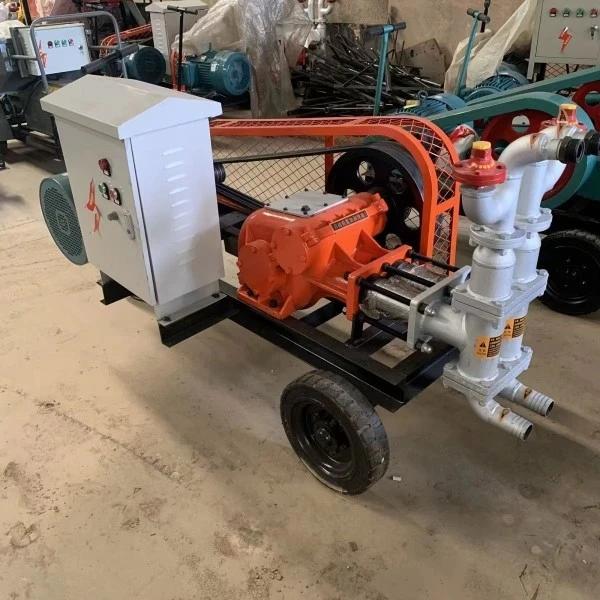

Another important aspect of maintenance is lubrication. Proper lubrication of the moving parts in the pump reduces friction, which in turn reduces wear and tear. Make sure to use the recommended lubricants and follow the manufacturer's guidelines for lubrication intervals.
Operating Conditions
The conditions under which the pump operates can have a huge impact on its lifespan. If the pump is used in a harsh environment, such as a construction site with a lot of dust and debris, it will face more challenges. Dust can enter the pump and cause abrasion to the internal parts. Similarly, if the pump is exposed to extreme temperatures, either very hot or very cold, it can affect the performance and longevity of the machine.
The type of cement grout being pumped also matters. Some grouts may be more abrasive or viscous than others. Pumps that are constantly used to pump highly abrasive grouts will experience more wear on their components compared to those used for less abrasive mixtures.
Frequency of Use
How often the pump is used plays a role in its lifespan. A pump that is used continuously for long hours every day will naturally experience more wear and tear than one that is used only occasionally. If the pump is over - used without proper rest and maintenance, it can lead to premature failure of the components. It's important to give the pump some downtime to cool down and to perform regular maintenance checks, especially if it's being used intensively.
So, What's the Lifespan?
On average, a well - maintained cement grout pump can last anywhere from 5 to 15 years. However, this is just a rough estimate, and the actual lifespan can vary widely depending on the factors mentioned above. A high - quality pump that is properly maintained and used under normal operating conditions may last closer to the 15 - year mark. On the other hand, a lower - quality pump that is used in harsh conditions and not maintained well may only last 3 to 5 years.
If you're thinking about purchasing a cement grout pump, it's important to keep these factors in mind. Consider the quality of the pump, your ability to maintain it, the operating conditions, and the frequency of use. By making an informed decision, you can ensure that you get a pump that will serve you well for many years to come.
As a supplier, I've seen firsthand the difference that a well - maintained pump can make. I've also helped many customers choose the right pump for their specific needs. If you're in the market for a cement grout pump and want to learn more about our products, or if you have any questions about the lifespan or maintenance of these pumps, I'd love to hear from you. Feel free to reach out to us to start a conversation about your requirements. Whether you're a small construction company or a large industrial operation, we can help you find the perfect cement grout pump for your project.
References
- "Cement Grout Pumps: Operation and Maintenance Guide" - Industry - standard manual on cement grout pumps.
- Manufacturer's specifications for various cement grout pumps.